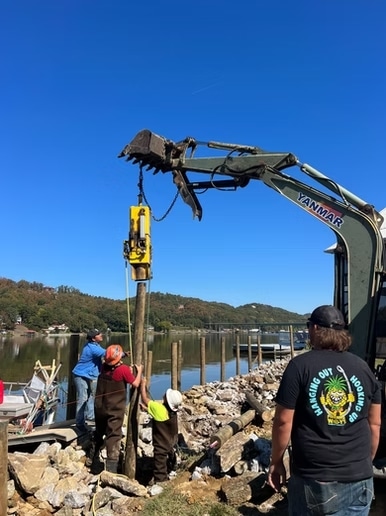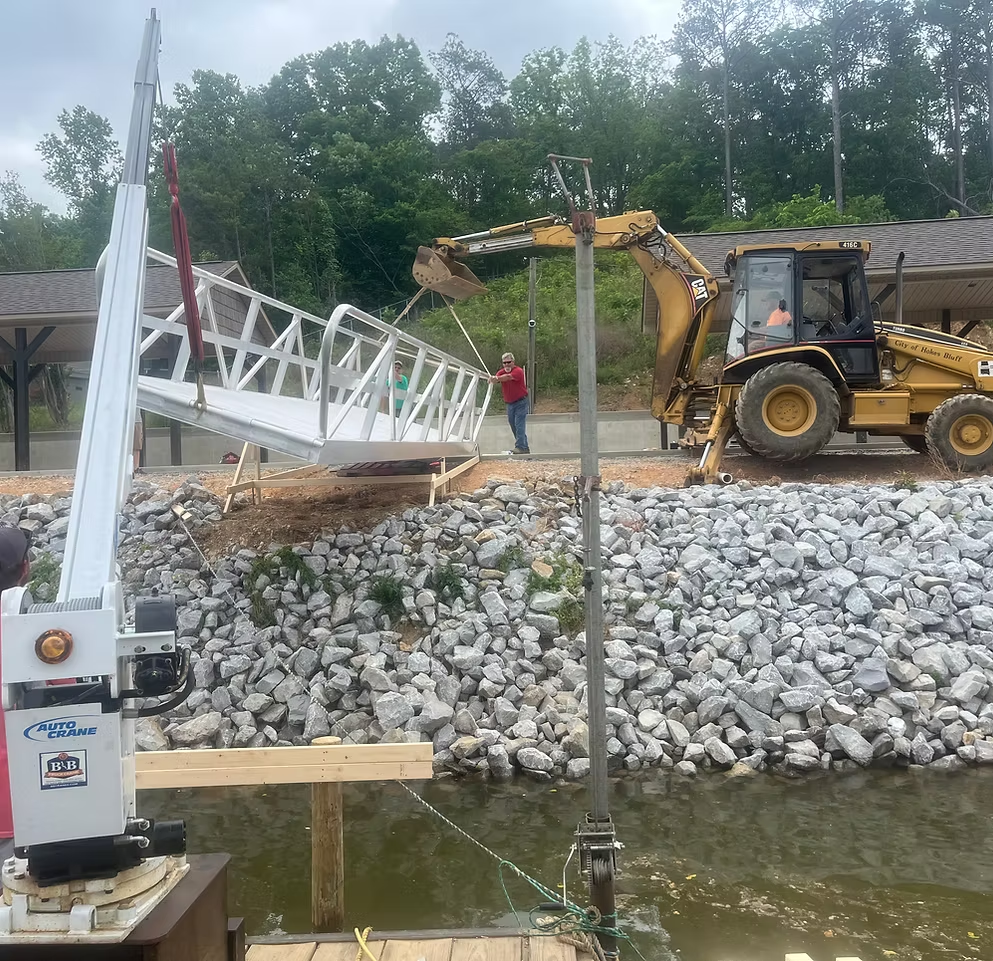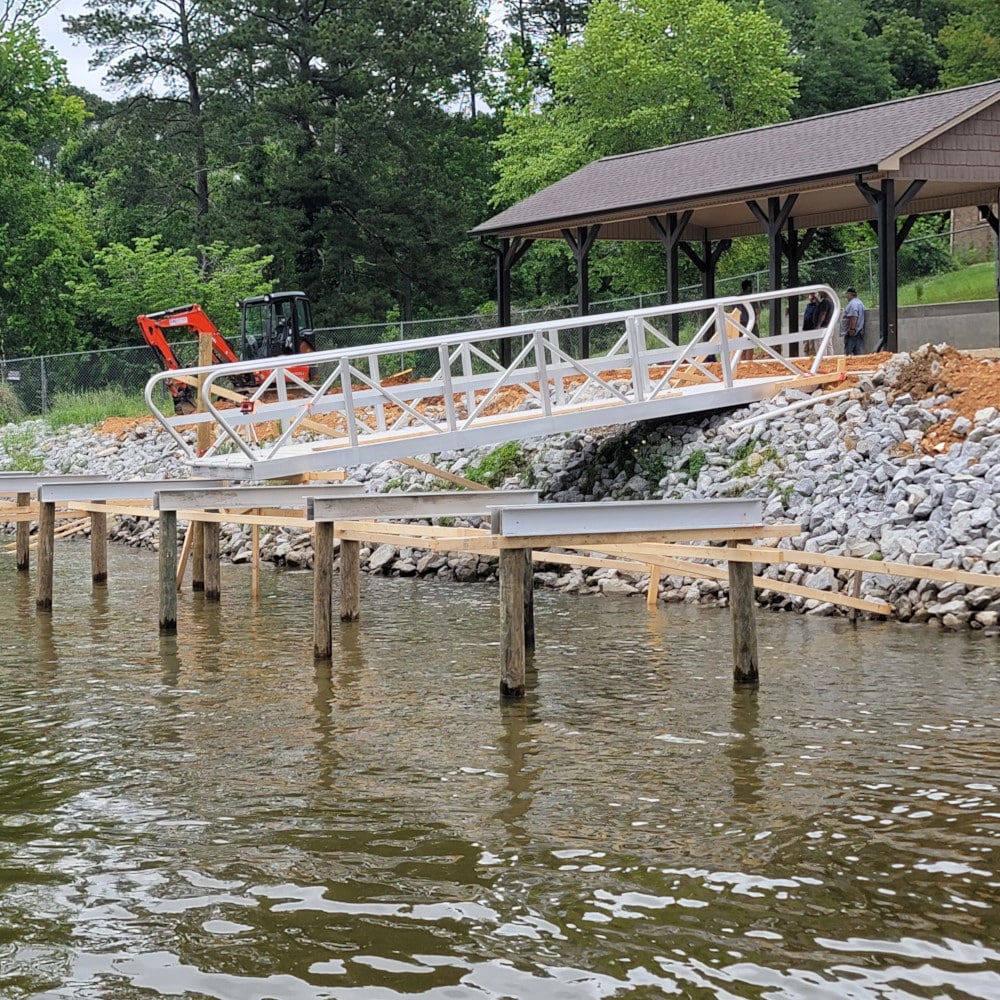
Dredging is a vital process in marine construction and environmental management, involving the removal of sediments and debris from the bottom of water bodies such as lakes, rivers, harbors, and other aquatic environments. This procedure is essential for maintaining navigable waterways, constructing waterfront infrastructure, and supporting environmental restoration efforts.
Understanding Dredging
Dredging entails excavating accumulated sediments—like sand, silt, and debris—from the beds of water bodies. Over time, these sediments can build up due to natural erosion, runoff, and human activities. When left unaddressed, this accumulation can restrict water flow, hinder navigation, and degrade water quality. Dredging restores the depth and functionality of these areas, allowing safe access for boats and supporting a range of ecological and commercial uses.
Types of Dredging
- Maintenance Dredging This type of dredging is performed regularly to ensure that harbors, channels, and marinas maintain their intended depth. It prevents the natural buildup of sediment from disrupting marine traffic.
- Capital Dredging Capital dredging involves creating new waterways or deepening existing ones to accommodate larger vessels or support infrastructure development.
- Environmental Dredging This focuses on removing contaminated sediments to improve water quality and rehabilitate aquatic habitats. It is often used in conjunction with remediation efforts.
- Land Reclamation In land reclamation projects, dredged materials are used to create new land or restore eroded shorelines. This is common in coastal development and flood defense initiatives.
Dredging Equipment and Techniques
Various types of dredging equipment are used depending on the project’s size, location, and purpose:
- Cutter Suction Dredgers (CSDs) use a rotating cutter head to loosen material, which is then suctioned and transported through pipelines.
- Trailing Suction Hopper Dredgers (TSHDs) collect sediment with a suction head and store it in onboard hoppers for transportation and disposal.
- Bucket Dredgers are mechanical systems that use buckets to scoop sediments, ideal for precision work and hard materials.
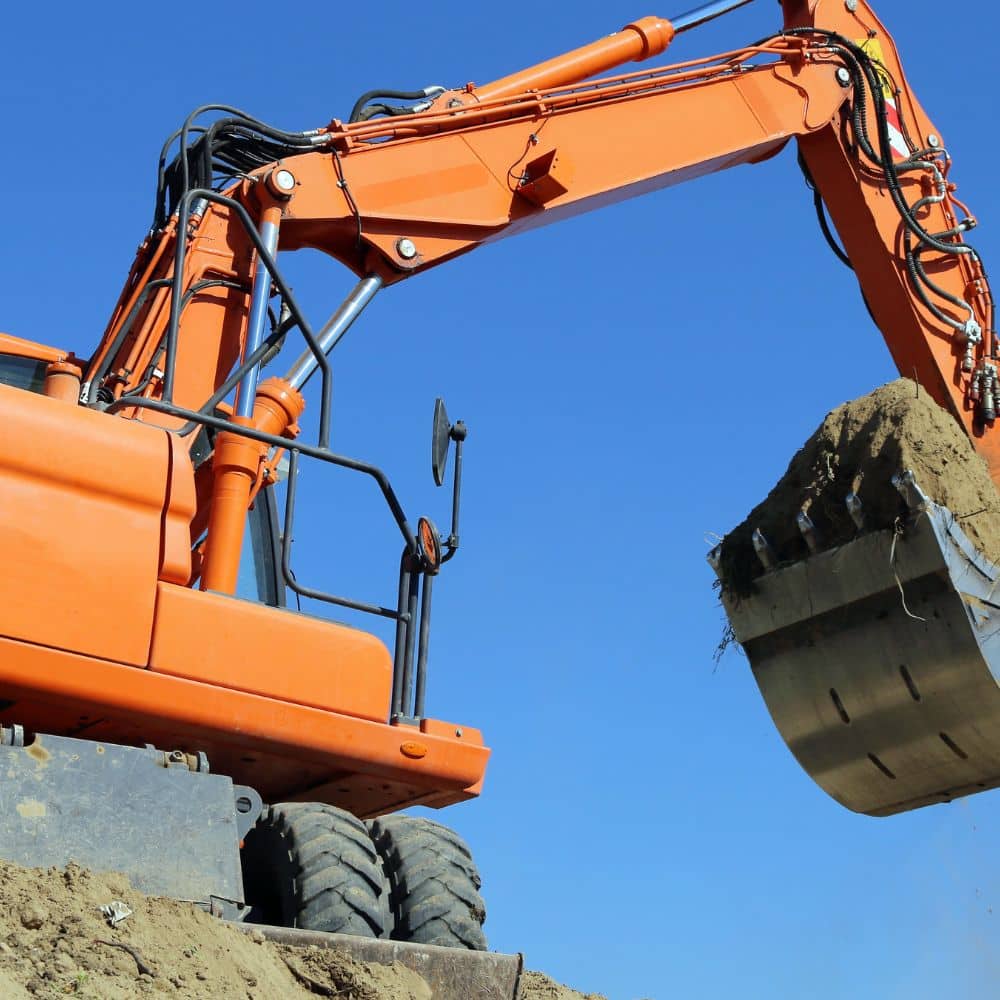
- Backhoe Dredgers utilize an excavator mounted on a barge, suitable for confined or shallow areas near docks and structures.
Benefits of Dredging
- Improved Navigation Maintaining proper depth in navigable waterways ensures safe and efficient vessel movement, crucial for marine transport and commercial shipping.
- Flood Control By increasing the capacity of rivers and drainage channels, dredging can significantly reduce the risk of flooding during heavy rains or storms.
- Environmental Cleanup Removing contaminated sediments helps reduce pollutants in the water, restoring aquatic ecosystems and improving biodiversity.
- Supports Development Dredging supports the expansion of waterfront infrastructure like marinas, harbors, and ports—driving economic growth and property development.
Environmental Considerations
While dredging provides many advantages, it must be performed with careful environmental oversight:
- Sediment Resuspension can release harmful pollutants into the water during excavation.
- Habitat Disturbance may affect marine flora and fauna, especially in sensitive ecosystems.
- Water Quality Impact due to increased turbidity and potential chemical changes.
To mitigate these risks, modern dredging projects use silt curtains, timing restrictions to protect wildlife, and eco-conscious disposal methods.
Marine Worx: Expert Dredging Services
At Marine Worx, we specialize in delivering tailored dredging solutions that balance operational efficiency with environmental responsibility. Our team utilizes industry-leading equipment and follows best practices to ensure safety, compliance, and successful outcomes across every dredging project.
Whether you’re looking to maintain a marina, create new waterfront access, or support an environmental restoration initiative, Marine Worx is your trusted partner in marine and coastal dredging.