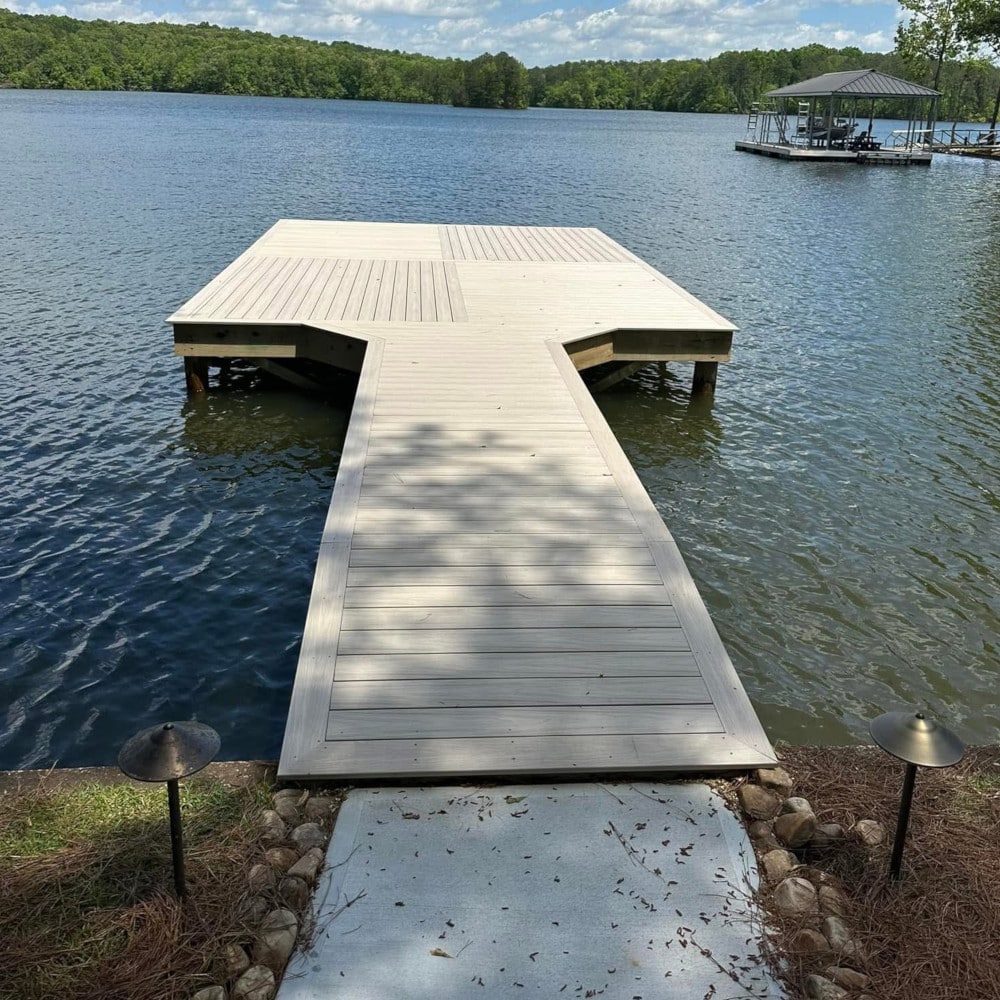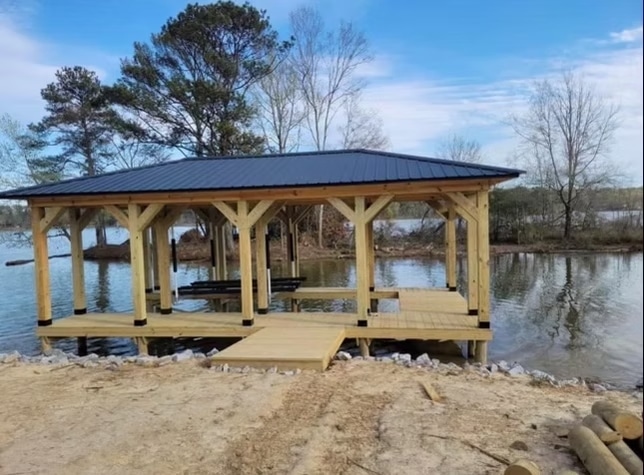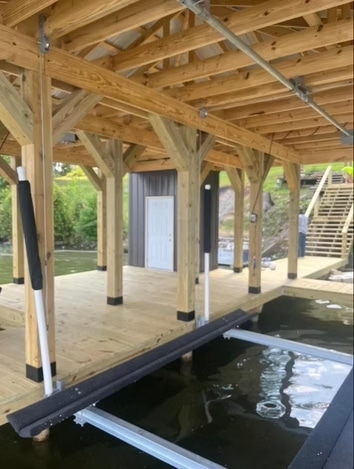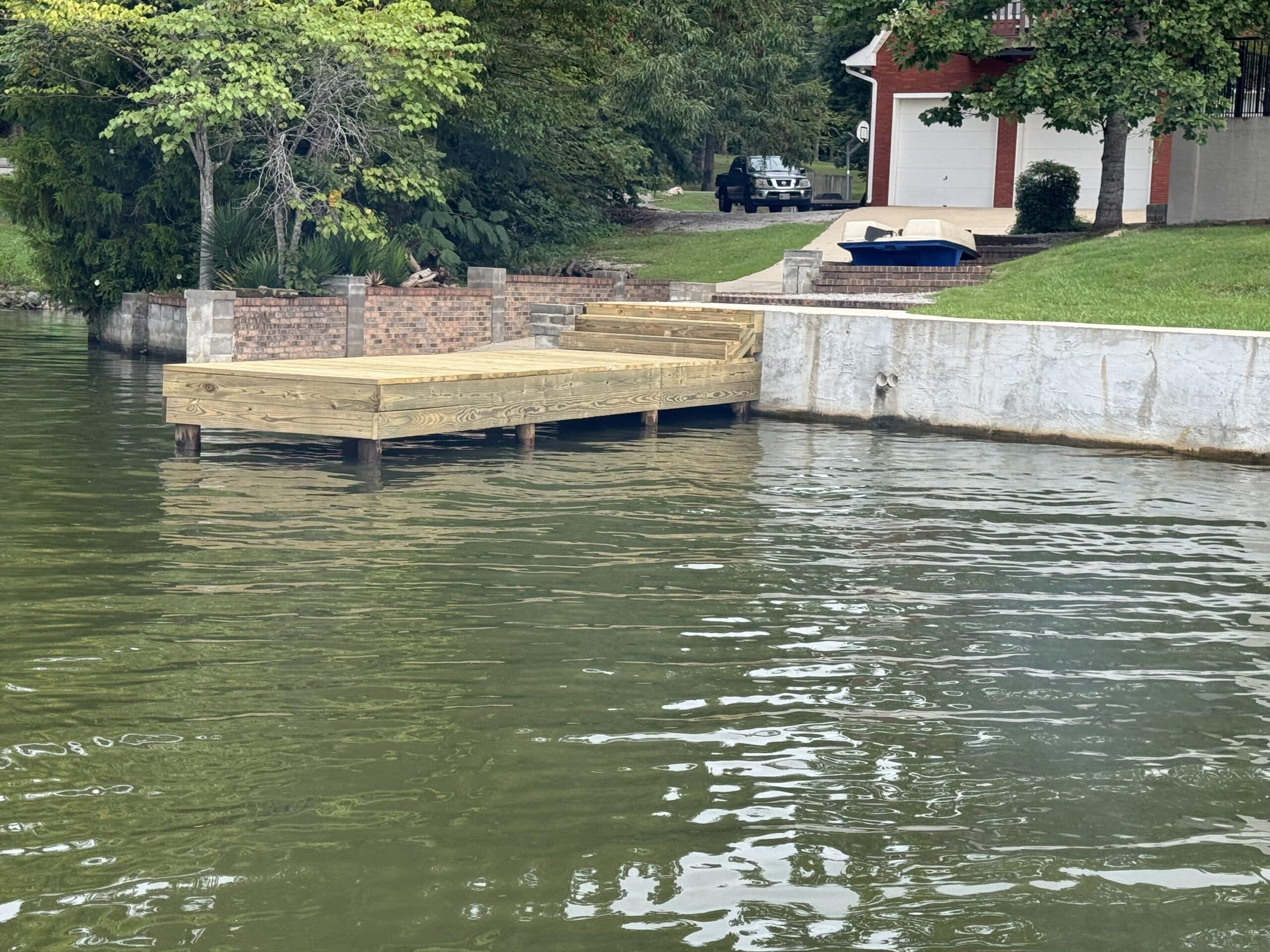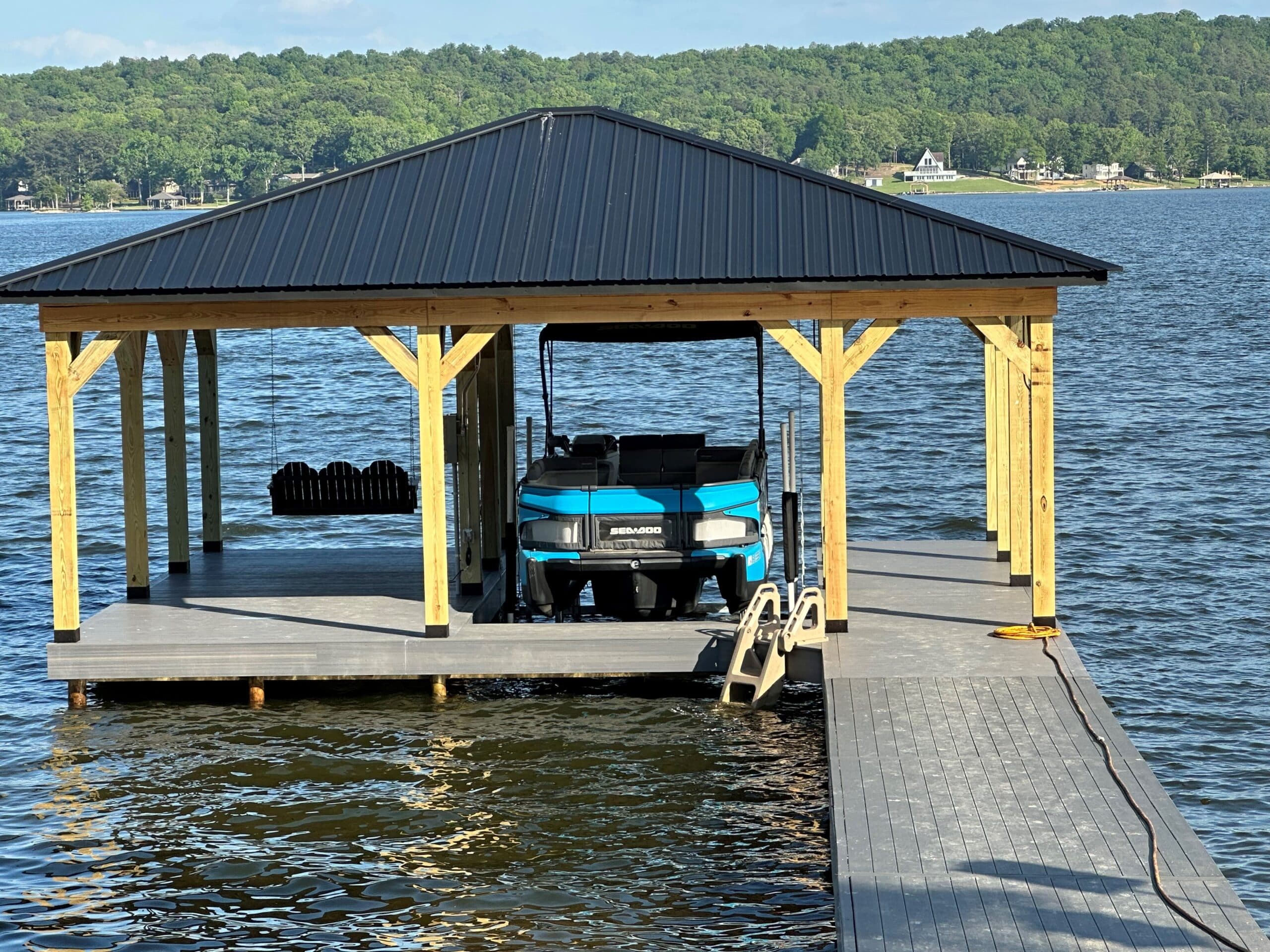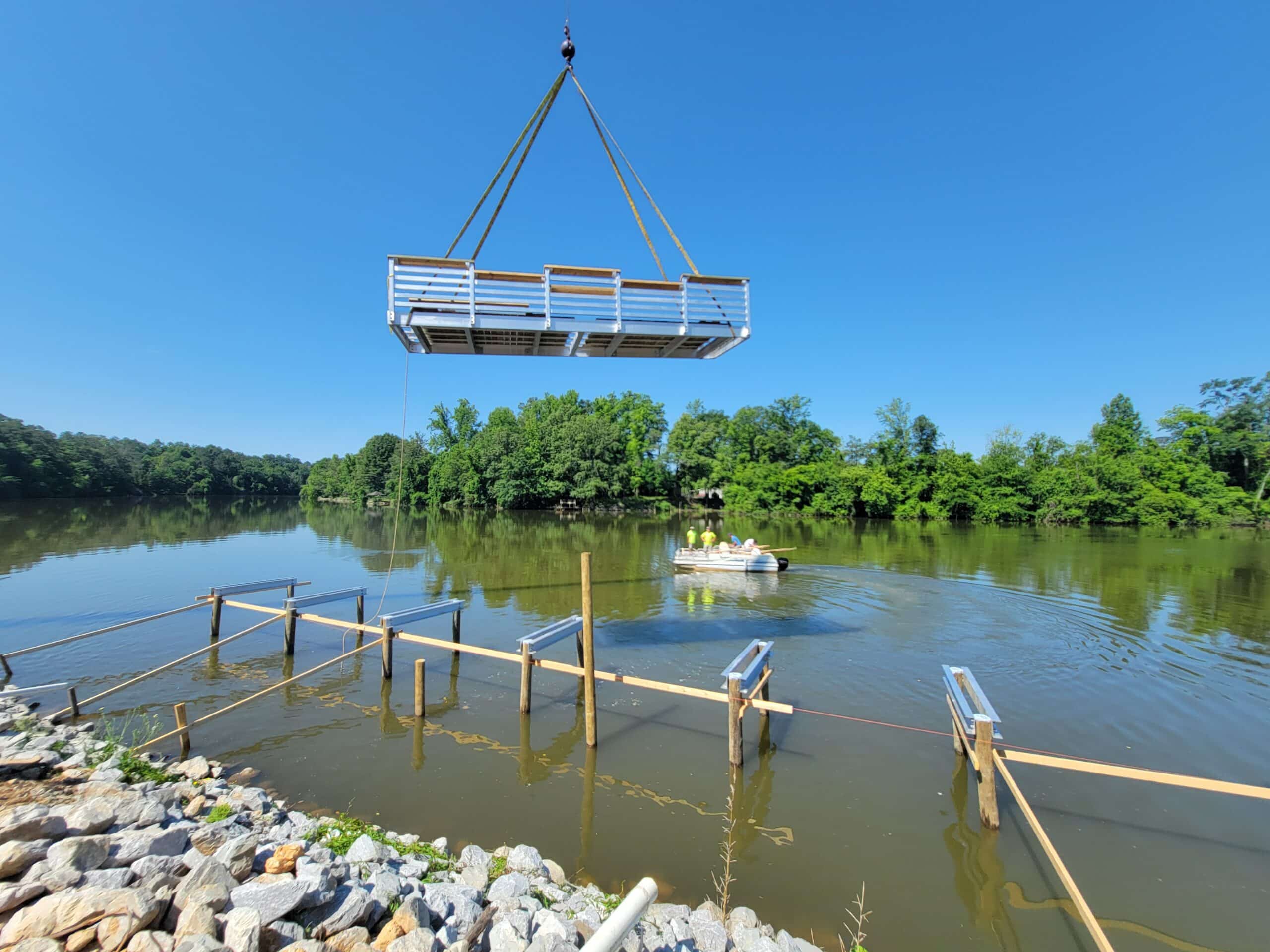
Floating piers are innovative marine structures that provide stable, adaptable, and environmentally friendly solutions for waterfront access. Unlike traditional fixed piers, floating piers rest atop buoyant platforms, allowing them to adjust seamlessly with changing water levels. This adaptability makes them ideal for various applications, from residential docks to commercial marinas.
What Are Floating Piers?
Floating piers, also known as floating docks or jetties, are platforms supported by pontoons or airtight flotation devices. These structures are typically anchored to the shore via gangways and secured in place using pilings or mooring systems. Their design allows them to rise and fall with water levels, maintaining consistent access regardless of tides or seasonal changes.
Advantages of Floating Piers
- Adaptability to Water Level Fluctuations: Floating piers adjust to varying water levels, ensuring consistent usability during tides, floods, or droughts.
- Ease of Installation and Maintenance: These structures are often modular, allowing for straightforward assembly, disassembly, and relocation as needed.
- Environmental Considerations: Floating piers have minimal impact on aquatic ecosystems since they don’t require extensive underwater construction.
- Versatility: Suitable for various settings, from private residences to commercial marinas, floating piers can be customized to meet specific needs.
Types of Floating Piers
- Modular Floating Docks: Comprising interlocking sections, these docks offer flexibility in design and can be expanded or reconfigured as requirements change.
- Concrete Floating Docks: Known for their durability and stability, concrete docks are ideal for high-traffic areas and can withstand harsh weather conditions.
- Aluminum Floating Docks: Lightweight yet sturdy, aluminum docks are resistant to corrosion, making them suitable for saltwater environments.
- Plastic Floating Docks: Often made from high-density polyethylene, these docks are UV-resistant and require minimal maintenance.
Design Considerations
When planning a floating pier, several factors should be considered:
- Load Capacity: Ensure the dock can support the intended weight, including people, equipment, and potential additions.
- Anchoring System: Choose an anchoring method suitable for the water body’s conditions, such as pilings, cables, or spud poles.
- Decking Material: Select materials that offer durability, slip resistance, and aesthetic appeal.
- Accessibility: Incorporate features like ramps or handrails to accommodate all users, ensuring compliance with accessibility standards.
Applications of Floating Piers
Floating piers serve various purposes across different settings:
- Residential Use: Providing homeowners with convenient access to water for recreation or boat docking.
- Commercial Marinas: Accommodating multiple vessels with adaptable configurations to optimize space and functionality.
- Public Access Points: Offering communities safe and reliable entry points to lakes, rivers, or coastal areas.
- Event Platforms: Serving as temporary stages or viewing areas for events held on or near water bodies.
Marine Worx: Your Partner in Floating Pier Solutions
At Marine Worx, we specialize in designing and constructing high-quality floating piers tailored to your specific needs. Our expertise ensures that each project meets the highest standards of safety, durability, and environmental responsibility. Whether you’re looking to enhance your private waterfront property or develop a commercial marina, our team is equipped to deliver exceptional results.
Explore our portfolio and discover how Marine Worx can transform your waterfront experience.